
Dental Implants in Cockeysville, MD
Missing teeth do not just change your smile. They can affect how you eat, speak, laugh, and feel about yourself. Maybe you have started avoiding certain foods, hiding your smile in photos, or dealing with dentures that never quite feel secure. If that sounds familiar, you are not alone, and you do not have to live that way.
At Dr. Weiss Dentistry in Cockeysville, Dr. Thomas G. Weiss and Dr. Wendy Burstein work together to help patients regain confidence with dental implants that look, feel, and function like natural teeth. Many patients tell us the office feels calm and welcoming, which helps put them at ease from the moment they arrive.
With decades of combined experience, our doctors focus on treating the root of the problem, not just the symptoms, while clearly explaining your options so you can get back to living life without thinking about your teeth.
For appointments, directions, and office information, visit here.
Need Dental Services?
Call: 410-666-9266Why Dental Implants Are a Reliable Alternative for Tooth Replacement
Dental implants are often considered one of the most reliable replacements for natural teeth because they restore both function and appearance.
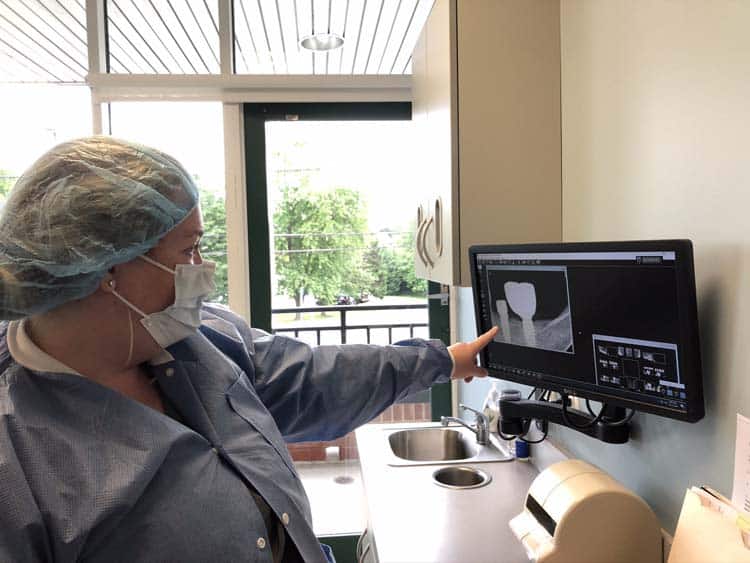
A dental implant is a small titanium post that replaces the root of a missing tooth. Once it is placed, the jawbone heals around it and holds it securely in place. After healing, a small connector is added so your new tooth can be attached. A custom-made crown is then placed on top, designed to look and feel like a natural part of your smile.
Unlike traditional bridges, implants can usually replace a single missing tooth without changing the healthy teeth nearby. Since implants join with your jawbone, they also help reduce the bone loss that often happens after losing a tooth.
Patients who want a broader look at tooth replacement options can also visit our Dentures page here.
Standard Dental Implants
Standard dental implants, also called traditional implants, are often a strong choice if you want a long-term tooth replacement that looks and works like a real tooth.
They may be used to replace one missing tooth, several missing teeth, or support certain bridge and denture options depending on your treatment plan.
What the Process Typically Involves
1. Planning and evaluation
2. Bone support and site preservation
3. Implant placement and healing
4. Abutment and implant crown
Patients who need a tooth removed before implant treatment can learn more about Tooth Extractions here.
Benefits of Standard Dental Implants
Standard dental implants may offer several benefits:
Mini Dental Implants
Mini dental implants are a smaller type of dental implant most often used to help keep dentures secure or to replace a tooth in areas where space is limited. They can be a good option for patients who want better stability without the movement that often comes with traditional dentures.
Because mini implants are narrower than standard implants, they may be recommended in certain situations where a full-size implant is not the best fit.
When Mini Dental Implants May Be Recommended
When Mini Dental Implants May Be Recommended
Patients considering implant support for dentures can learn more about denture options here.
Mini Implants vs. Standard Dental Implants
Standard dental implants are larger and are often the preferred choice when replacing individual teeth or when there is enough bone to support a long-term, full-size implant.
Mini dental implants are smaller and are most commonly used for denture support or in cases where space or bone volume is limited. While both options can be effective, the right choice depends on your anatomy, your goals, and how you plan to use your teeth day to day.
The best way to know which option is right for you is through a personal evaluation. Schedule a consultation, and our experienced dental team will explain your options clearly and recommend the solution that makes the most sense for your comfort, function, and long-term oral health. You do not need to figure this out on your own.
Your First Dental Implant Visit: What to Expect
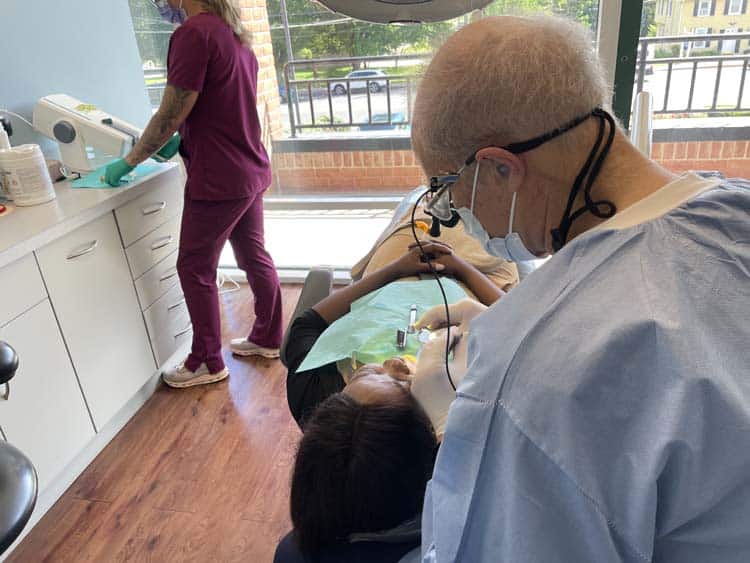
Starting your dental implant journey is straightforward. At Dr. Weiss Dentistry, we focus on a comfortable, team-based approach to help you understand the process and your options.
Comprehensive Evaluation
Expert Consultation
Clear Planning
Patient Support
Implant Crowns vs. Traditional Bridges
Fixed dental bridges have been used for many years to replace missing teeth. However, in order to make room for the bridge, the healthy teeth next to the gap often need to be reshaped.
This technique may increase the risk of plaque buildup, tooth decay, periodontal disease, and, in some cases, future root canal treatment in the supporting teeth.
Dental implants can often replace a missing tooth without changing the nearby teeth. This can make implants a more conservative option in the right situation.
If a tooth may still be saved before replacement is needed, root canal treatment may be discussed. Patients can learn more here.
A Helpful Way to Think About Dental Implants
Dental implants can last for decades without damaging other teeth if they are properly maintained. Think of a dental implant as the foundation of a house. The base is made to survive for many years, but the roof may eventually need to be repaired or replaced.
In the same way, the implant itself is designed to be long-lasting, but the crown on top may need maintenance, repair, or replacement after years of consistent use.
This is why routine dental visits, gum health, and careful home care are important for long-term implant success.
Dental Implant Costs and Insurance
The cost of dental implants depends on several things, such as:
If you feel discomfort, notice looseness, or notice a change in your bite, let us know right away so we can help quickly.
Patients with gum health concerns can also learn more about Periodontal Care here.
Caring for Your Dental Implants
Dental implants need regular care. While the implants themselves do not get cavities, it is still important to take care of your gums and jawbone.
Proper implant care includes:
Why Patients Choose Dr. Weiss Dentistry for Dental Implants
Patients choose Dr. Weiss Dentistry because they feel heard, cared for, and confident in the treatment they receive. Dr. Thomas G. Weiss and Dr. Wendy Burstein take a collaborative approach to dental implants, focusing on long-term oral health and addressing the root of the problem, not just the symptoms.
From the first consultation through the final restoration, patients appreciate the clear explanations, thoughtful recommendations, and calm, welcoming environment. The goal is always the same: implant solutions that feel comfortable, look natural, and support a healthy smile for years to come.
Dr. Weiss has decades of experience providing comprehensive dental care, and Dr. Burstein provides periodontal care and implant placement in the office. This team-based approach helps keep implant planning, gum health, placement, and restoration coordinated in one familiar setting.
To learn more about the practice, visit here.
To read patient feedback, visit Reviews here.
Dental Implants for Denture Support
Dental implants can also help patients who struggle with loose or uncomfortable dentures. Implant-retained dentures and overdentures can provide added support, helping dentures feel more secure during eating and speaking.
Mini dental implants may be considered for some denture stabilization cases, while standard implants may be recommended for other implant-retained or hybrid denture options.
The right approach depends on your bone support, gum health, denture fit, budget, and long-term goals.
Patients who are interested in dentures or implant-retained dentures can visit here.
Book an Implant Visit
If you are missing one tooth, several teeth, or are struggling with loose dentures, a dental implant consultation can help you understand your options.
Dr. Weiss Dentistry provides implant-related care in Cockeysville, MD for patients who want clear answers, careful planning, and a team-based approach to tooth replacement.
For appointments, directions, and office information, visit here.
Patient Testimonials
See what our patients say about their experience with honest, straightforward dental care.

Dental Implants FAQs
How long do dental implants last?
Are dental implants painful?
Am I a good candidate for dental implants?
Can dental implants replace one tooth or multiple teeth?
How do dental implants improve oral health?
What is the difference between a dental implant and an implant crown?
Can dental implants help with loose dentures?
Patients can learn more about dentures here.
Who places dental implants at Dr. Weiss Dentistry?
Will insurance cover dental implants?
Serving Cockeysville and Nearby Baltimore County Communities
Dr. Weiss Dentistry proudly cares for patients from Cockeysville, Hunt Valley, Timonium, Towson, Lutherville, Sparks, Parkton, Monkton, and surrounding Baltimore County communities.
Many patients visit our Cockeysville office because they want experienced dental implant guidance, clear communication, and treatment planned by a team they can trust.
Learn more about our full Service Area here.
Content Review and Medical Oversight
The information provided on this website has been reviewed and approved by Dr. Thomas G. Weiss, D.M.D., a licensed general dentist with over 30 years of clinical experience serving Cockeysville and surrounding Baltimore County communities.
All treatment descriptions and dental health information reflect Dr. Weiss’s professional experience, clinical standards, and commitment to ethical, evidence-based dentistry.
Learn more about Dr. Weiss’s background, training, and experience on the About page here.
Schedule a Dental Implant Consultation
If missing teeth are affecting your comfort, confidence, chewing, speech, or denture stability, Dr. Weiss Dentistry can help you understand your options.
Whether you are considering a single dental implant, multiple dental implants, implant-supported dentures, mini dental implants, or another tooth replacement plan, we will explain your options clearly and help you decide what makes sense for your long-term oral health.
For appointments, directions, and office information, visit Contact here.
For common patient questions, visit FAQ here.